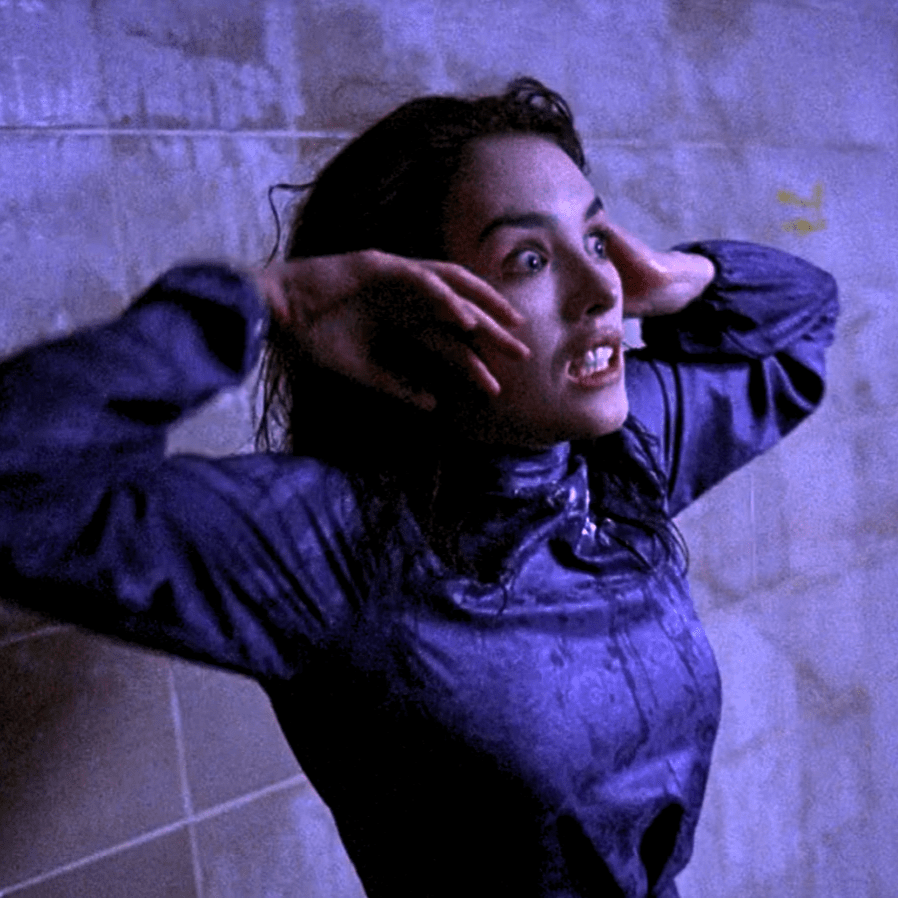
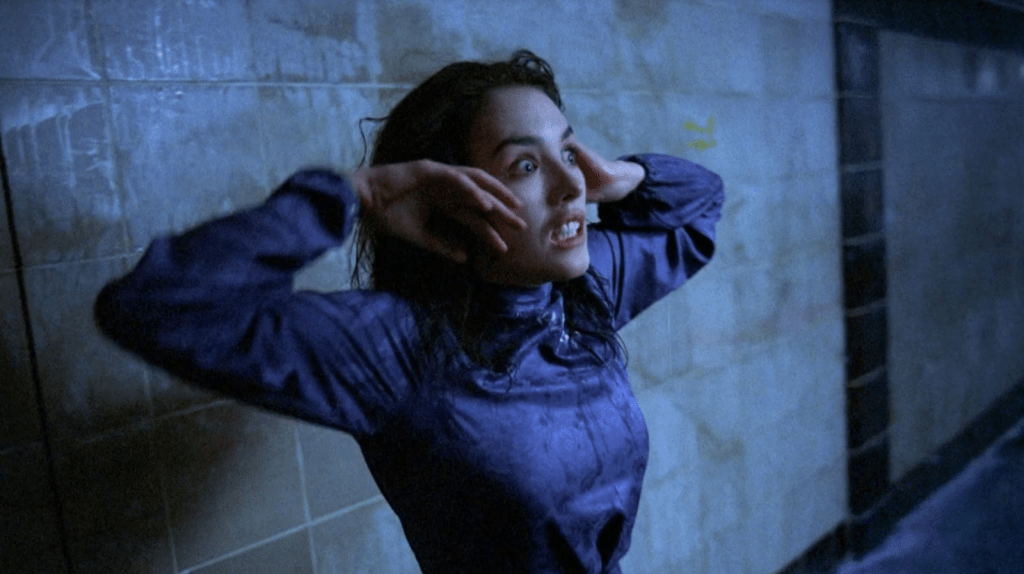
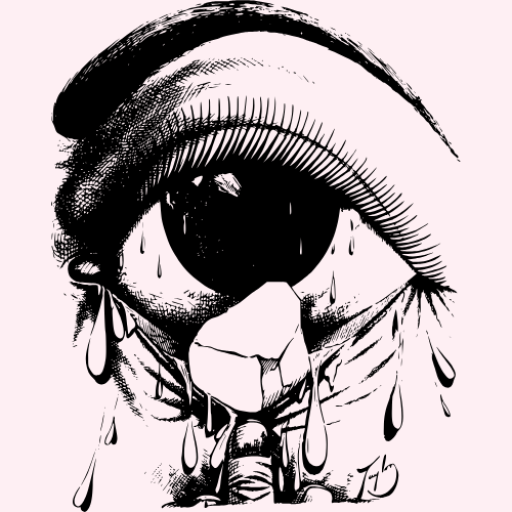
In recent years, a particular trope has garnered popularity in the media: the archetype of the feral, unhinged woman.
The unhinged woman is a character who has reached her breaking point. Often she is a woman who evolves out of necessity to adapt to her hostile environment. She becomes feral as a result of the extreme abuse inflicted on her. In order to express the extent of her suffering–the sheer, crushing amount of weight she has carried on her back—she will resort to disturbing, shocking, and unhinged acts of violence against herself or those around her.
She has had enough. She is done pleading for mercy. She is done biting the bullet. She is done silencing herself, suffocating her thoughts, snuffing her emotions. In the end, she bursts through her own skin and becomes a new woman. A feral woman. An unhinged woman.
It is clear why so many people we feel drawn to these types of stories. The pure catharsis these tales offer is not only satisfying, but also refreshing. It is refreshing to see a woman who is not perfect. She is not just an object meant to look beautiful for male eyes, nor is she a damsel needing to suffer (sexily) and be saved, nor is she a highly moral or virtuous hero. She doesn’t need to prove herself in order to be seen. She doesn’t need to be right in order to be valid. She doesn’t need to convince anyone that she is worthy enough to have her story told. She doesn’t need to contort herself into an image of perfection in order to be accepted.
She has unchained herself from the confines of perfection, of beauty, of femininity. Violently so. She is unsightly, imperfect, and weird. And that is what makes the unhinged woman so relatable, despite her extreme ways of expression. Many readers can relate to the unhinged woman as they witness her journey into becoming unhinged. The reader is presented with what was once unspeakable: the inner desires and rage of a woman who has spent her life being beaten down and forced or conditioned into submission. Finally, it seems the tables have turned, albeit in a tragic and horrific way. The victimized woman has now become the aggressor, and her strangeness and violence are somehow understandable.
Prime examples of this unhinged woman sub-genre of literature include works by Otessa Moshfehg such as Eileen and My Year of Rest and Relaxation. Mona Awad, who wrote Bunny and All’s Well, has also popularized this sub-genre through her works. And even books by Gillian Flynn such as Sharp Objects and Gone Girl have propelled the idea of the unhinged woman into the mainstream. But considering the recent popularity of unhinged women, I would like to now highlight a few books which are not recommended as often as the exemplary ones mentioned above.
1. Houdini Heart by Ki Longfellow
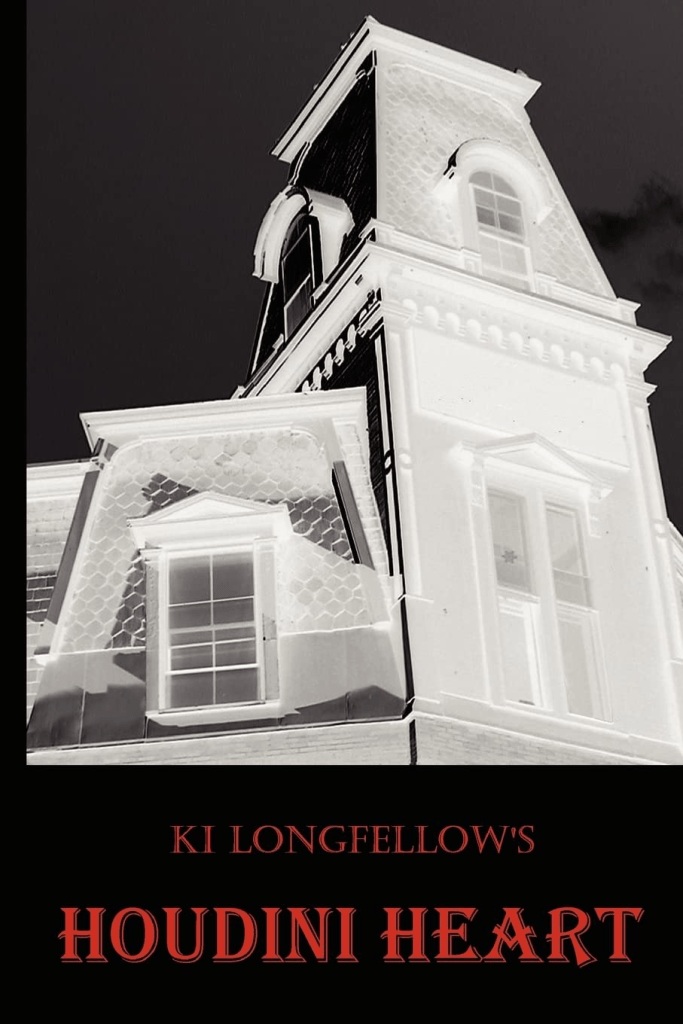
A writer on the run from her past loses her sanity as she takes shelter at an old hotel in order to write her very last book—or perhaps her suicide letter.
2. The Piano Teacher by Elfriede Jelinek
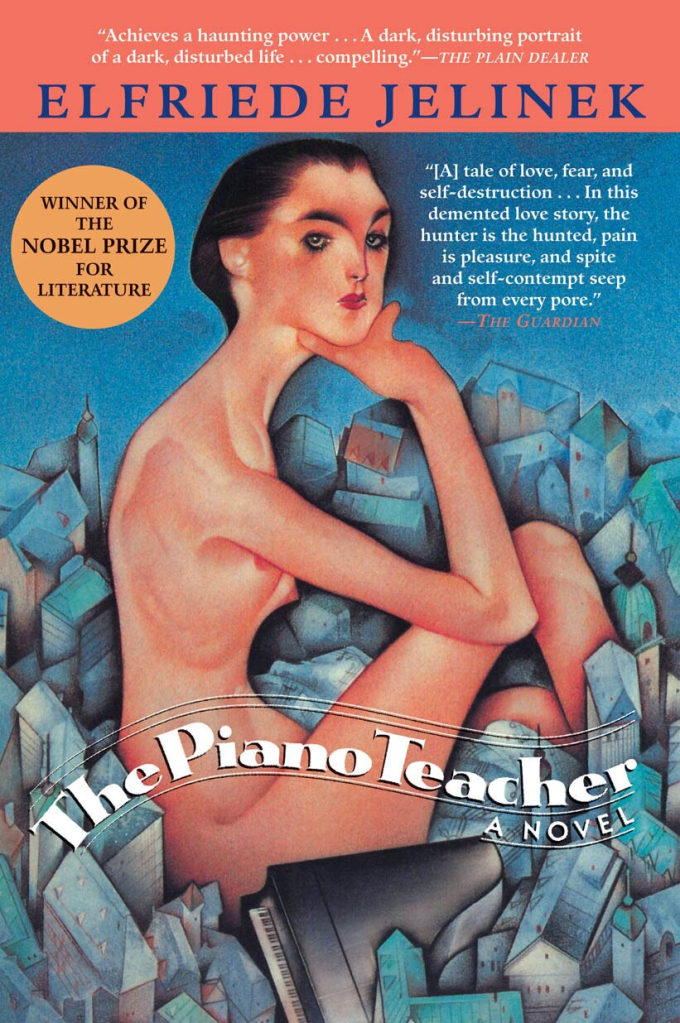
A piano teacher lives with her controlling mother and satiates her hidden inner desires in disturbing ways.
3. Invisible Monsters by Chuck Palahniuk
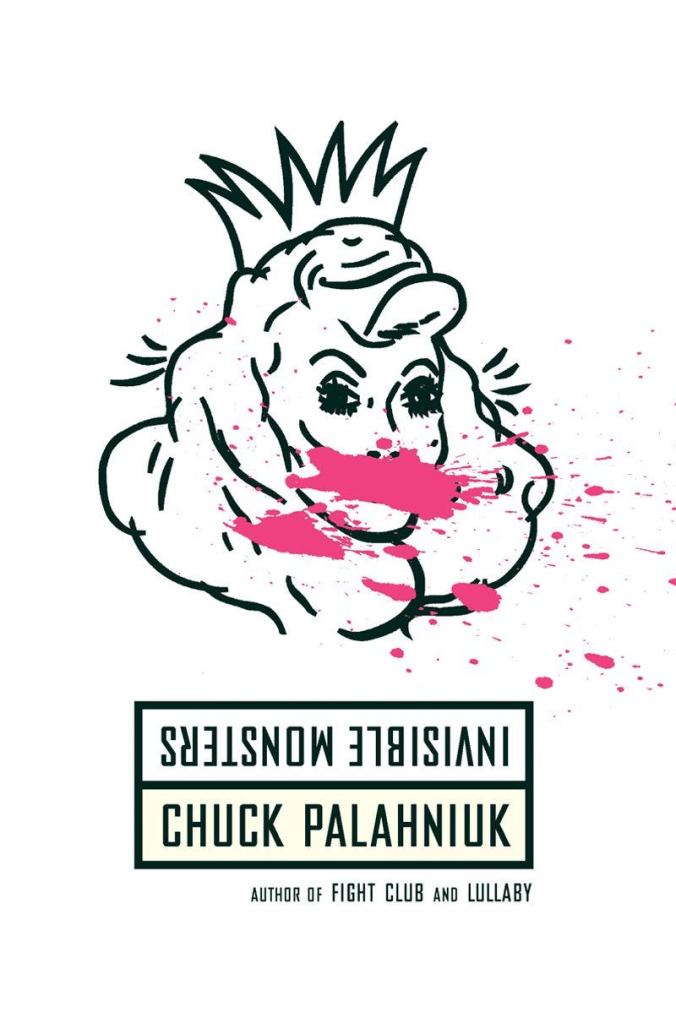
When a model’s face is blown off in an alleged accident, she embarks on a chaotic odyssey through her new faceless life with the help of a trans woman she meets on the way.
4. Eva’s Man by Gayl Jones
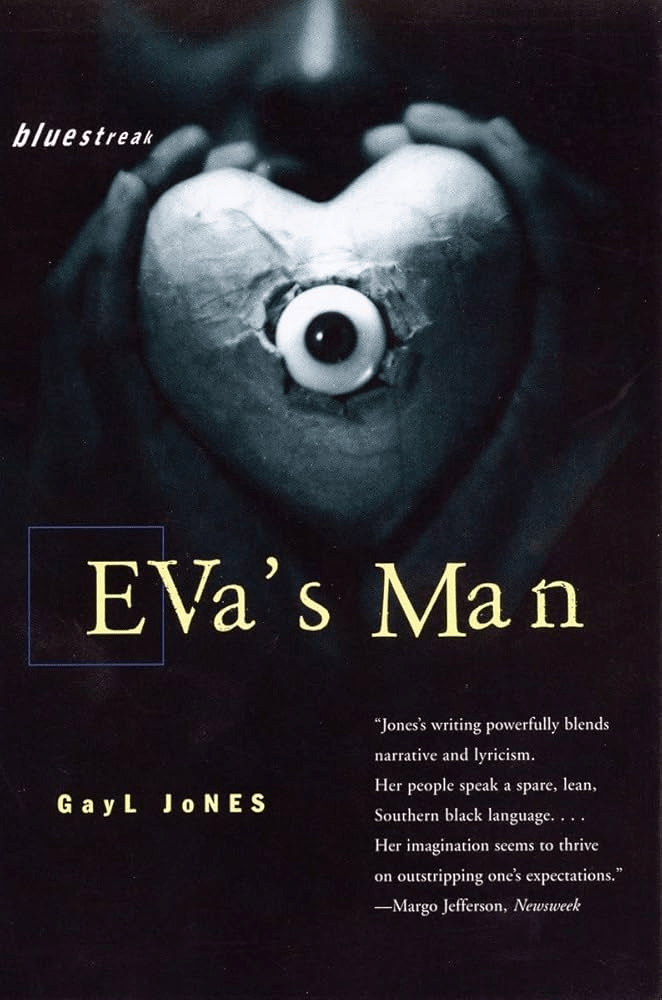
A Black woman, imprisoned for biting off her lover’s penis, chronicles her life and the abuse she suffered.
5. Cute Aggression by Emily Lynn
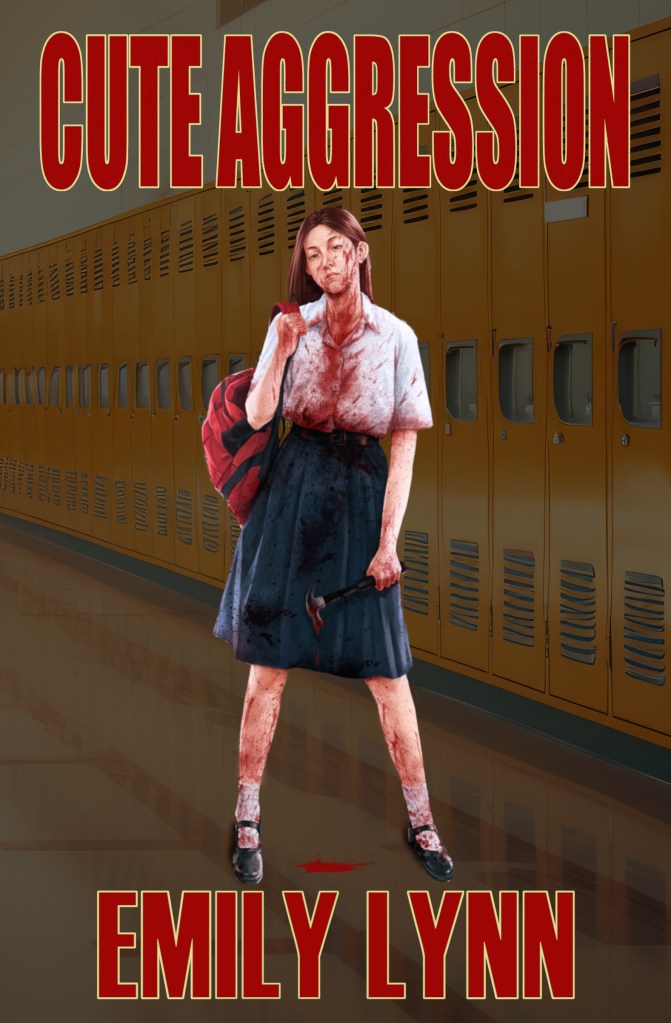
A Thai schoolgirl becomes obsessed with her teacher and devises a plan to keep him as a pet.
6. Peach Pit by Various Authors
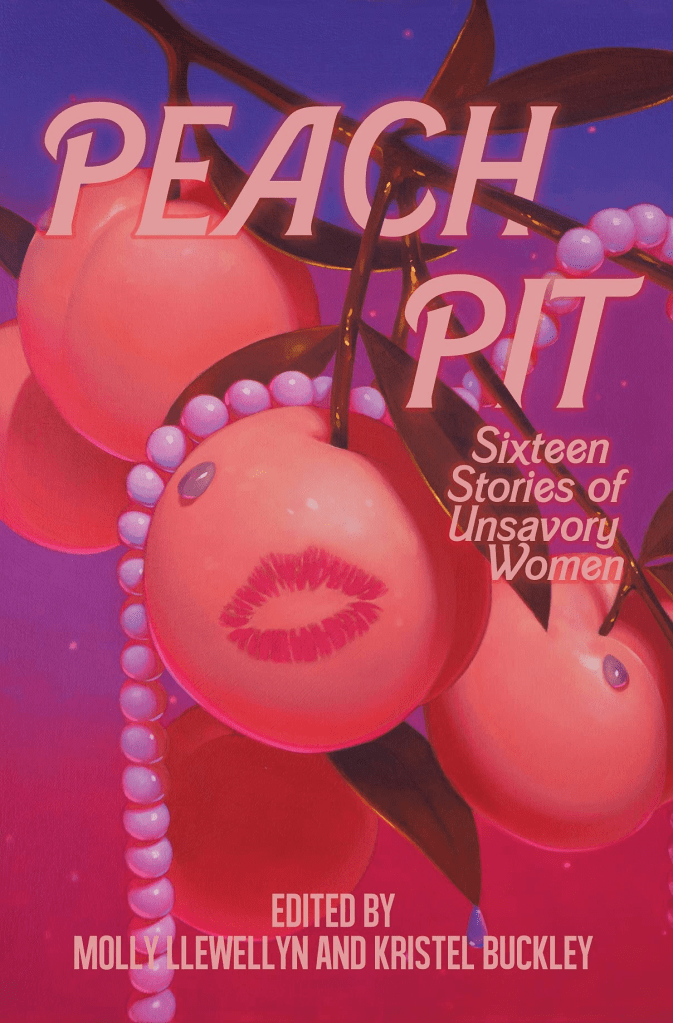
A diverse collection of stories about “unsavory” and morally gray women.
 FEMHORROR
Leave a comment