There is nothing more frightening than someone who is more concerned about the perceived purpose of certain people’s bodies than the people themselves.
Horror is evoked when one’s bodily autonomy is restricted, challenged, or taken away. We see this in all types of horror stories. Killers take people’s lives. Psychopaths kidnap and torture their victims. Ghosts and demons possess bodies. Minds spiral out of control. That is horror stripped down to its core: the loss of control to some outer or inner source.
It is unnerving to see anyone lose the right to control their life or their body. It is unnerving to see control being given to something outside of self, something so far removed from self. It is unnerving to see a slasher victim grappling for their life, desperately trying to wring it from the killer’s hands. To see the torture someone endures at the hands of another. To see the internal battle between a person and the entity fighting for their body. To see a person lose control of their own mind. To see a person taken away from their family, their home, the life they made for themselves.
To see a person being forced to give birth.
That is horror.
What of the women who don’t want to become mothers, under certain circumstances or at all? What of the women who don’t even know they don’t want to become mothers, because the option to be childless was never made apparent to them? What of the women who do become mothers only to realize they feel no maternal instincts? No connection to the person they just birthed? What of the women who believe they are monsters because of that? Who live in a society that believes the worst thing a woman can be is unmotherly?
In popular media, being unmotherly is one of the most prominent characteristics of a female villain. These characters are perhaps meant to represent the perversion of what it means to be a mother, or what it means to be a woman in general. Nurse Ratched from the film One Flew Over the Cuckoo’s Nest is a prime example of such a woman. She is often deemed one of the most terrifying villains despite not even being a killer or a ghost, and also not even being in a horror movie.
What is so unnerving about her?
She is a cold, unmotherly woman. The antithesis of what a nurse is meant to be.
And what’s scarier than a woman who is not nurturing?
This antagonization of an unmotherly woman manifests in women as maternal pressure. A woman is taught that she is meant to be natural nurturer with inherent maternal instincts. She is also often taught that if she gets pregnant, she should give up all autonomy and devote her body to the birthing of the baby or else be labeled a baby-killer. A woman existing under such pressure often ends up being conditioned into believing that she should be a mother. That her sole purpose is to be a mother.
But what if a woman doesn’t feel such maternal instincts? Is she the monster society views her as?
The unmotherly woman is forced into being a mother because that is what the world says she is meant for. She is indoctrinated into thinking that her sole duty is to birth, and this in turn births maternal anxiety. She is taught to believe that an unmotherly woman is the most vile villain. She learns to hate herself for being unmotherly. She tries her best to be motherly. She might not even know that she is unmotherly until she births her own child and feels nothing for it. The unmotherly woman is at constant war with her own body, and with a society that claims that her body isn’t her own.
In addition to the monstrous mother, this all-too-real horror of maternal anxiety is also depicted in various forms of media and is gaining popularity in recent years, perhaps because it is becoming more acceptable for a woman to voice this type of anxiety which has always been present. There is now an interesting dichotomy between the monstrous mother and the unmotherly woman. And in examining these archetypes, it is very apparent that the interwoven relationship between them runs deep.
Here I have compiled a list of 12 horror books that explore each side of this dichotomy and highlight the various horrors that can entail motherhood and the loss of bodily autonomy.
Maternal Anxiety
1. Nightbitch by Rachel Yoder
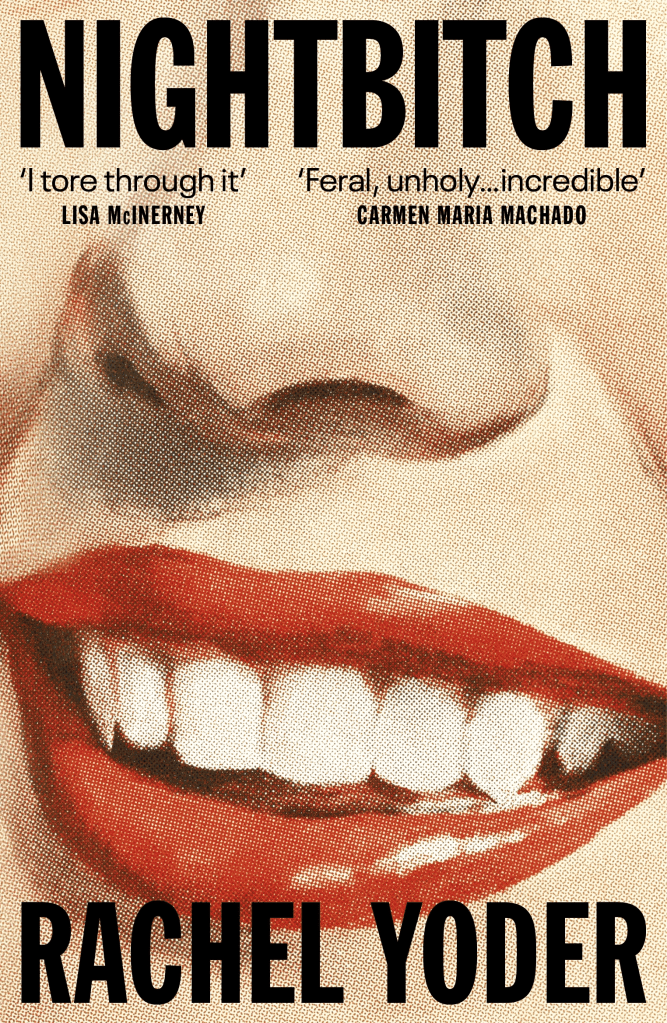
A woman struggling with motherhood believes she is slowly turning into a dog.
2 The Haunting of Alejandra by V. Castro
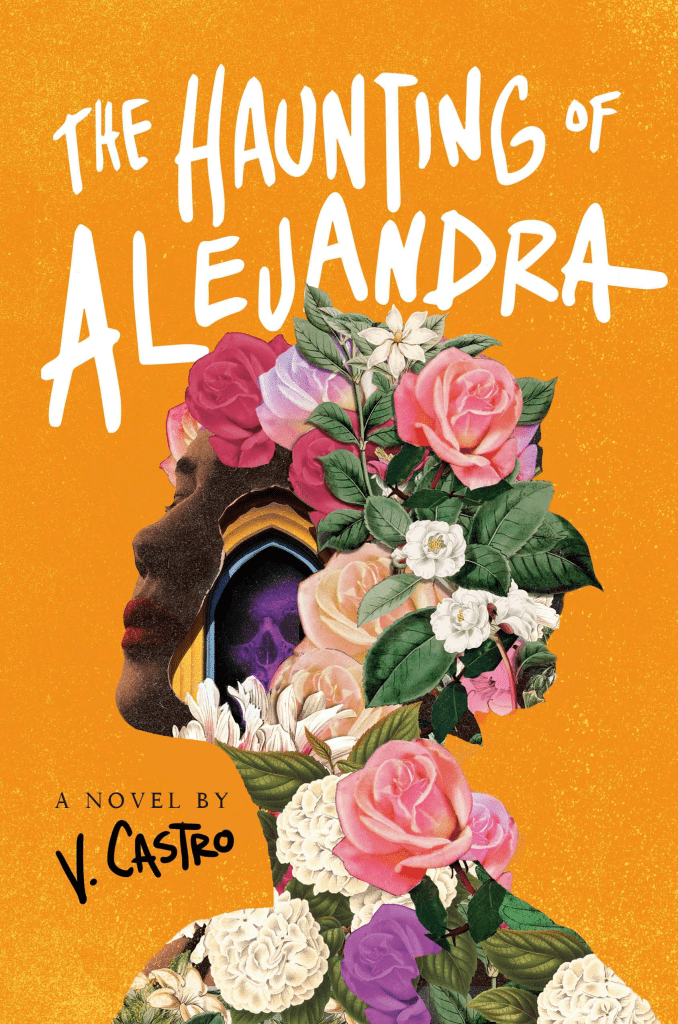
A drained, suicidal mother is haunted by the ghost of a generational curse.
3. Rosemary‘s Baby by Ira Levin
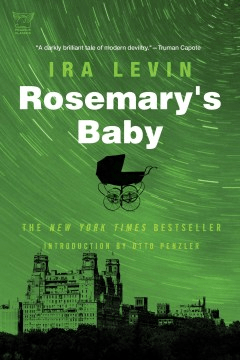
A pregnant woman suspects her neighbors have sinister intentions for her and her unborn son.
4. Beloved by Toni Morrison
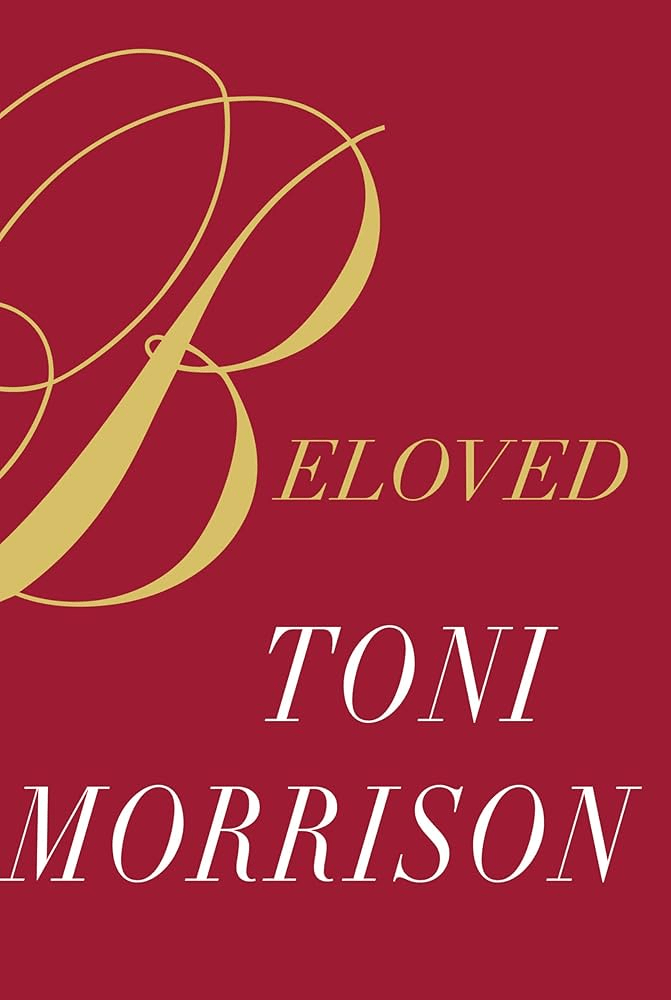
A formerly enslaved woman is haunted by trauma, guilt, and the ghost of her dead baby.
5. Nestlings by Nat Cassidy
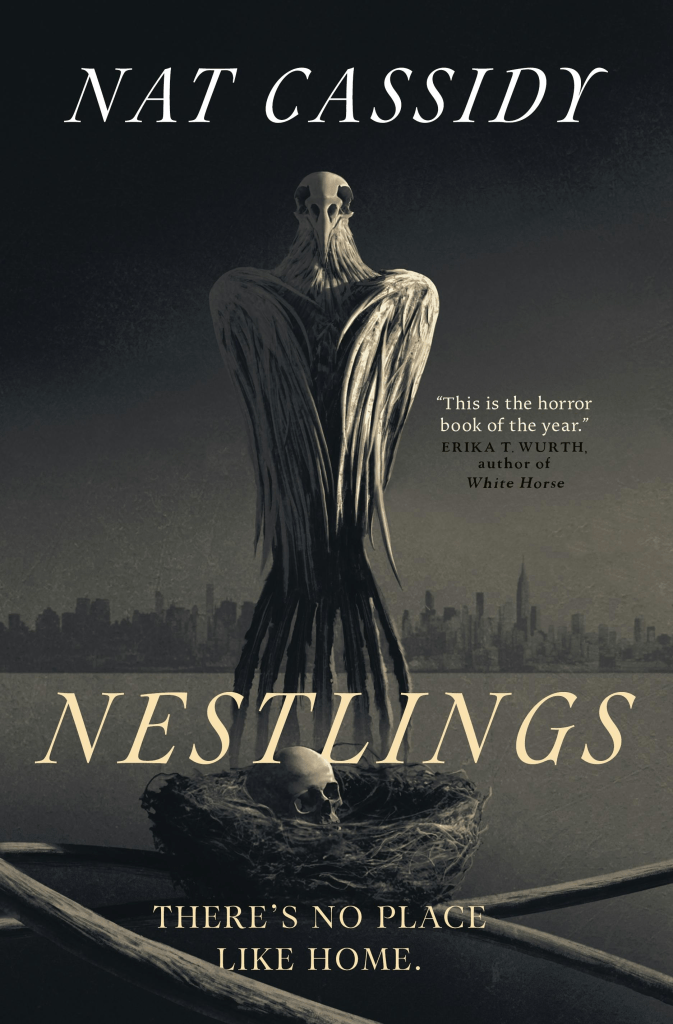
A woman left paralyzed by the birth of her daughter is victim to the strange happenings at her new apartment.
6. The Vile Thing We Created by Robert P. Ottone
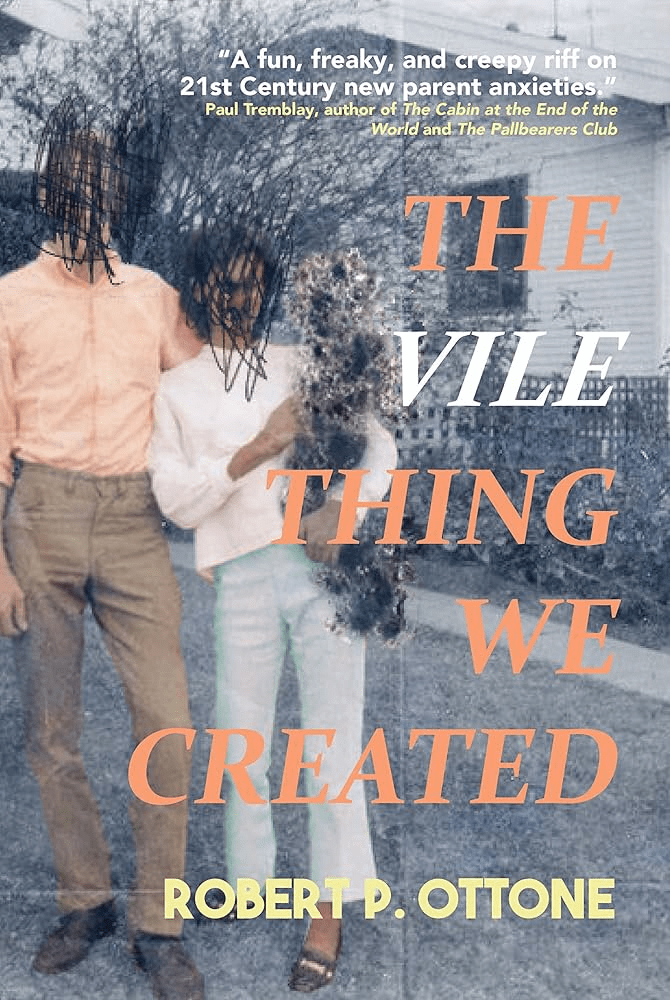
A couple’s perfect life descends into horror once they are pressured into having a child.
Monstrous Mothers
1. This Is Where We Talk Things Out by Caitlin Marceau
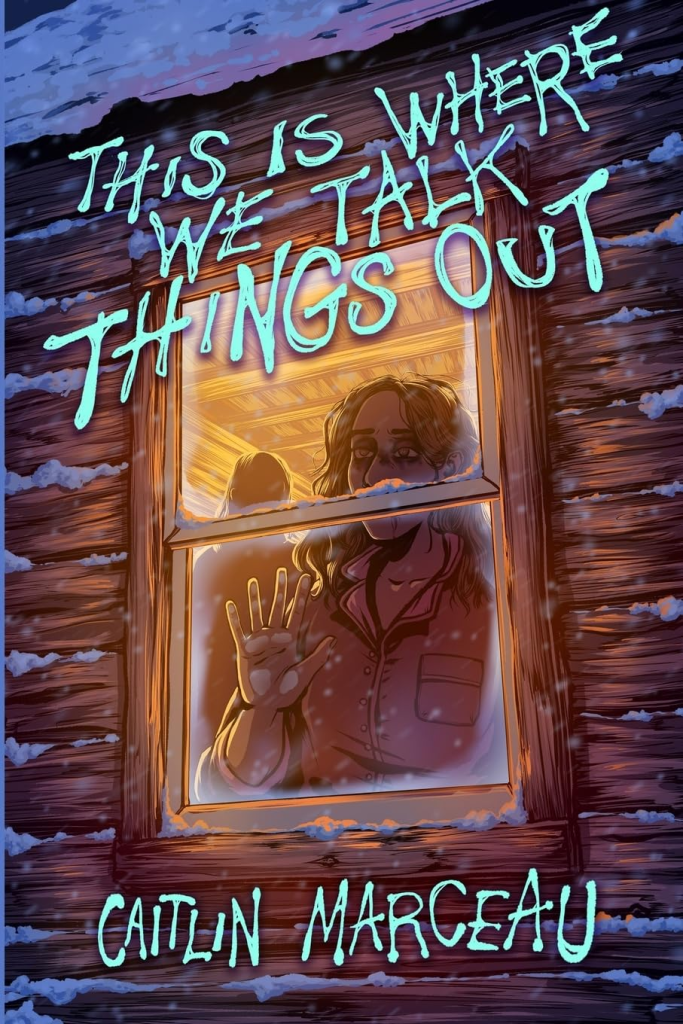
A queer woman goes on a trip with her unaccepting mother in the hopes of mending their relationship.
2. Flowers in the Attic by V.C. Andrews
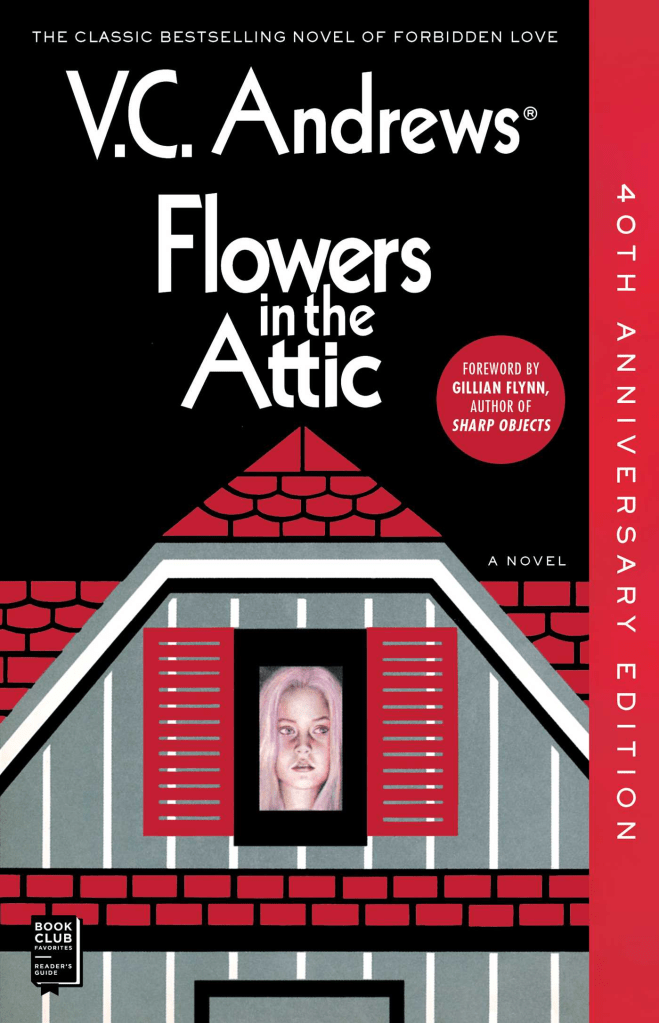
A woman locks her children in her domineering mother’s attic.
3. Motherthing by Ainslie Hogarth
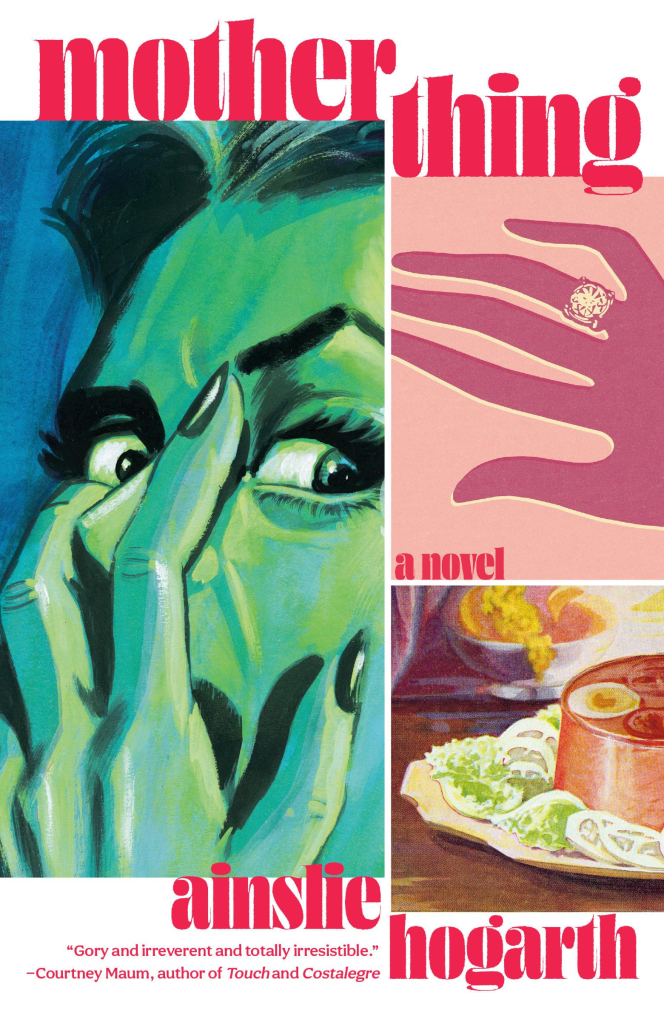
A woman is haunted by the ghost of her cruel mother-in-law.
4. True Crime by Samantha Kolesnik
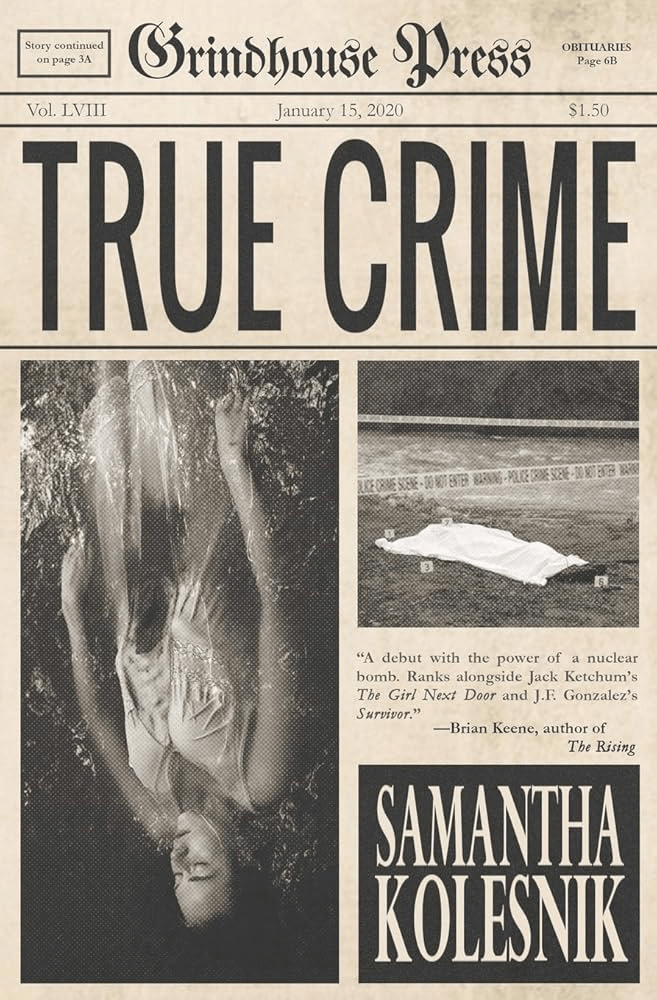
A brother and sister go on a killing spree after suffering extreme abuse from their mother.
5. The Lamb by Lucy Rose
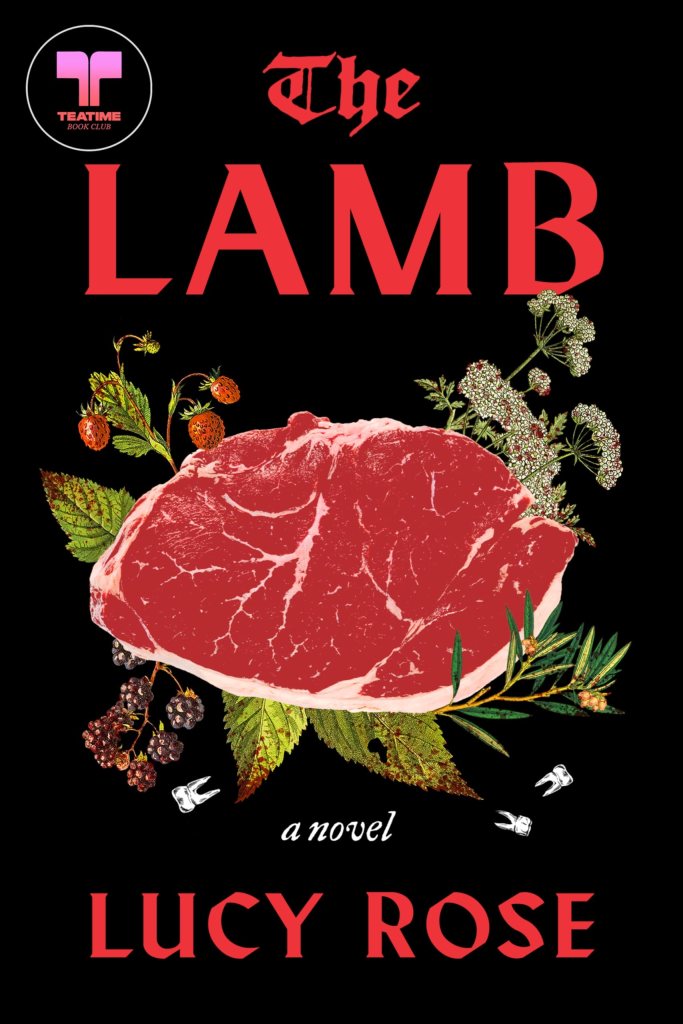
A young girl is raised by her cannibalistic mother.
6. Blood on the Tracks by Shuzo Oshimi
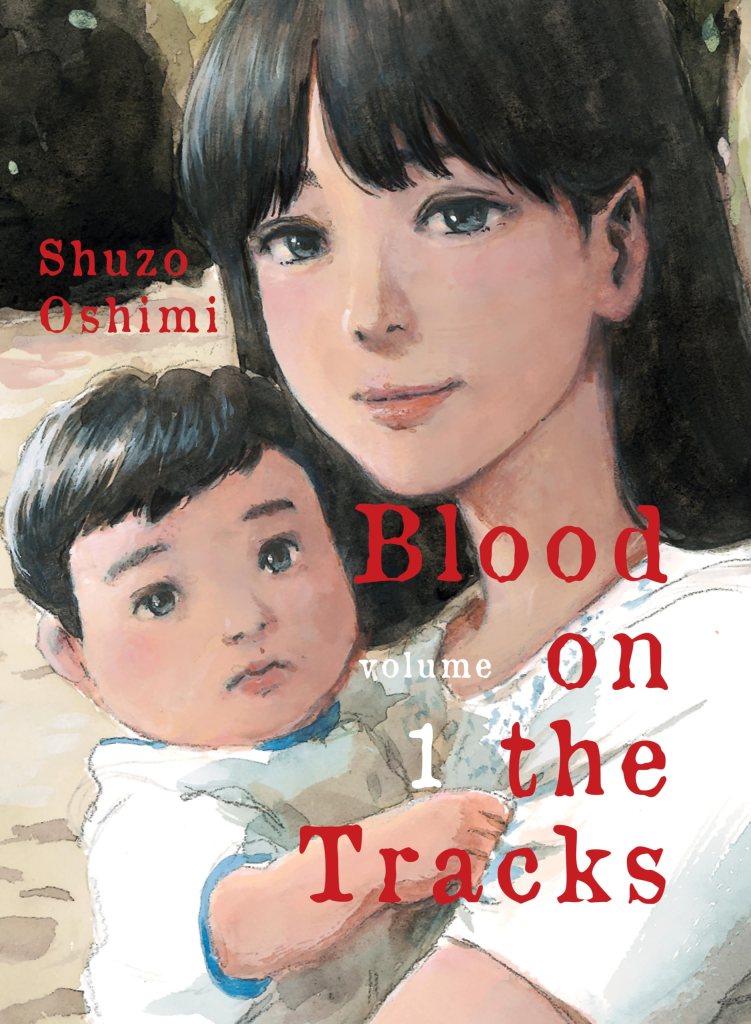
A disturbing relationship develops between a manipulative, overbearing mother and her son.
 FEMHORROR
Leave a comment