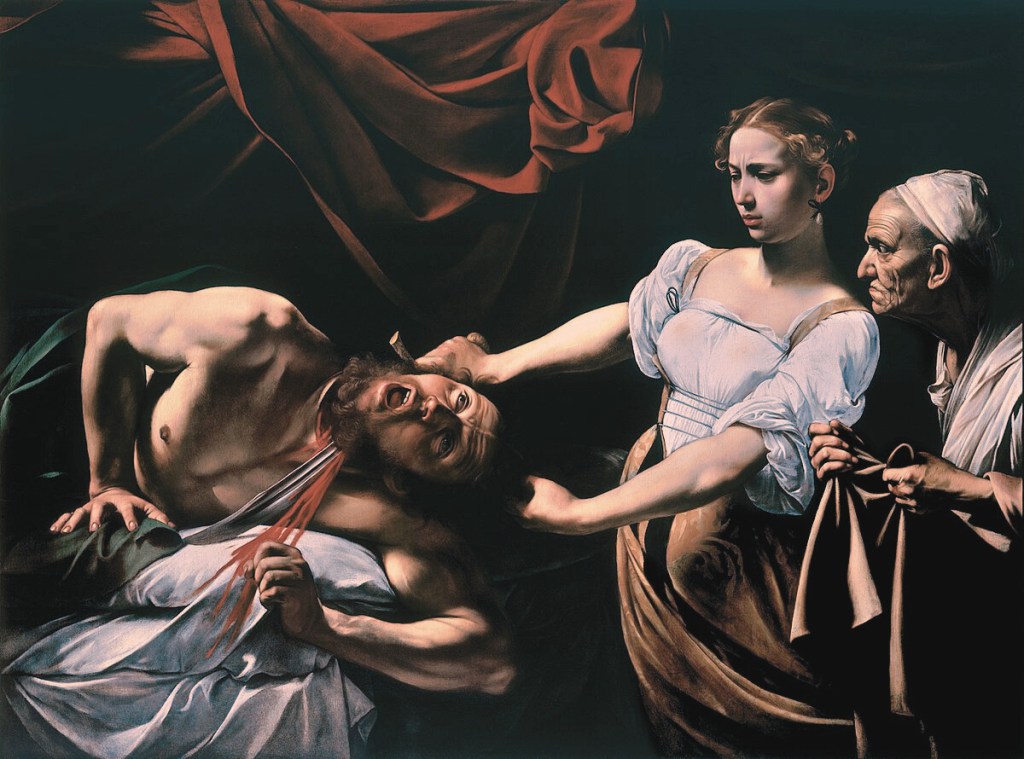
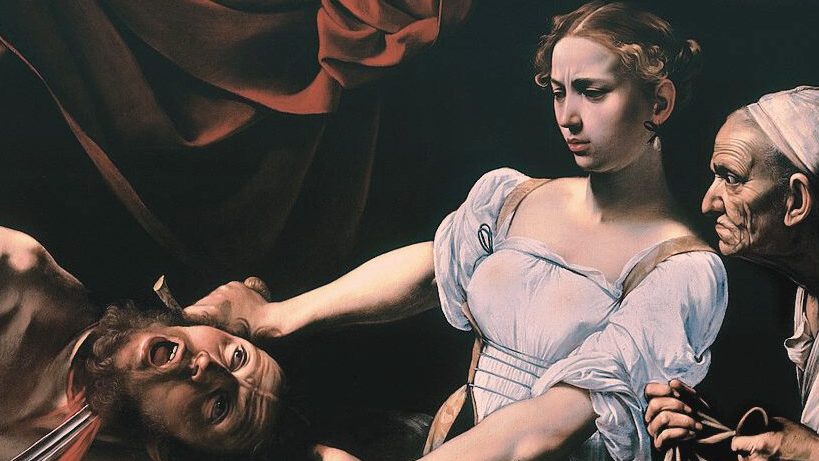
In the current age of “Good For Her” horror and the subversive evolution of the final girl, feminism has evidently made its way to the forefront of the horror genre. It is a refreshing change coming from a genre which has used female suffering and victimhood as focal points since its genesis. Now, women in horror are often depicted in more empowering, relatable ways. They are not just targets of explicit, often sexualized violence for male viewership. They are powerful icons of the female experience. We commend the final girl. We look up to her. We say, “Good for her.”
But in order to say “good for her,” in order to be a final girl, the woman still has to suffer. Immensely.
The final girl must first be pursed, tortured, maimed, or worse in order to earn her title as a final girl. She must be broken and scarred and traumatized so as to prove herself as someone resilient, someone worth rooting for. To further showcase her strength and resilience in the face of trauma, she is often juxtaposed against another archetypal horror girl. Her opposite: a woman so sexualized, so objectified, often naked and screaming, and almost always met with a gruesome demise. She is not a final girl. For whatever reason, she is not strong enough, not smart enough, not cool enough to wear the final girl crown.
And in the wildly popular “Good For Her” horror, the audience also has to first bear witness to a woman’s suffering, usually slowly burning, building, and bubbling until it becomes unbearable and explodes into a chaotic climax in which the woman bares no shred of her previous self. She is forced into becoming something terrible, something unhinged. She lashes out her anger in the most disturbing ways. The audience can only watch unfold the violent consequences of all that was done to her. There’s only so much she can take before she bursts, before she turns into the monster, the villain. But, “Good for her,” we say. She earned it. Just like how the final girl earned her crown. Through suffering.
In recent years, these types of horror movies and books have been largely welcome with open arms. After decades of horror in which women simply serve to look sexy while dying and to entertain the men whom these movies were made by and for, we finally have horror that women can feel seen by. These films and books portray the suffering women go through in real life and often offer a cathartic resolution to all of it. The suffering itself is frequently a reflection, direct or indirect, of the suffering women go through in real life. It shows how it feels to be preyed on, debased, traumatized, undermined, and taken advantage of. It brings to light the real experiences of women and embodies how it feels to suffer as a woman so often does. And seeing a woman finally come out on top of all that in the end can be so cathartic.
These stories are important. They are real. They are relatable. They are empowering.
But sometimes, a girl can just get tired of seeing other girls suffer.
We see it enough in real life.
That is not to say that women are the sole victims of these horror stories. There are plenty of stories in which men are victims as well (although arguably they are victimized in a different manner). But no matter who the victim is, the victimizer tends to remain male. Interestingly, it is quite rare to find stories in which a man is victimized by a woman. Perhaps this is simply a reflection of real life, as studies show men are more likely to be both perpetrators and victims of violence. Or perhaps the reason lies more in the perception of society, as is discussed in Carol J. Clover’s book Men, Women, and Chainsaws, the consensus of which being that women earn more pity than men. Audiences feel more sympathy for female victims, therefore making the story itself more effective in evoking emotion. If that is true, that must mean audiences are less sympathetic toward male victims.
The reason is bound to vary from project to project. But whatever the reason may be, the disparity between the genders’ portrayal in horror is apparent. Yet, stories featuring women as villains and men as victims do exist. Although they are vastly outnumbered, it does seem as if they are growing in popularity. A niche of feminist horror appears to be developing, evolving, and inching away from the portrayal of women as victims altogether.
So here I have compiled a list of horror books in which the victim is not a woman. The plots do not revolve around a woman’s immense suffering. The woman is not the one who is traumatized, stalked, pursued, assaulted, or victimized. Instead, she is the victimizer, with men showing their vulnerability as her victims.
This list spans across a variety of subgenres, from classics to contemporaries to manga. Many picks might not be considered “horror,” yet they still evoke feelings of dread and are frightening in their own ways.
1. Venus in Furs by Leopold von Sacher-Masoch (1870)
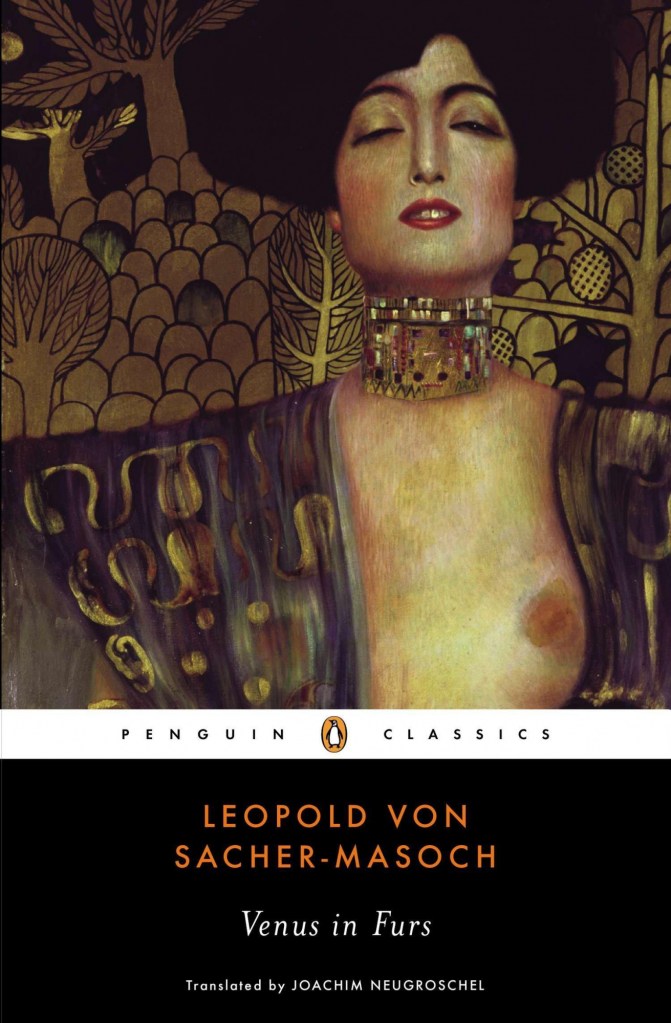
A disturbing story about desire, grooming, and the blurred lines of reality. Obsessed with becoming enslaved to the woman he loves, Severin signs away his autonomy to Wanda, granting her complete control over him, even the power to kill him.
While not horror in the traditional sense, I still found this book to be deeply disturbing. It’s also an entertaining and peculiar read, especially considering the time period this book was published in.
Venus in Furs is a reminiscence of the relationship between our narrator Severin and the beautiful, mysterious Wanda. Oddly enough, the story actually opens with Severin ranting about his hatred of women and his belief that women should submit to male dominance. But as he looks back on what caused the birth of this bitter misogyny, a strange tale unwinds before the reader’s eyes. What begins as a love story soon turns into a horror story, fueled by the desperate desire to feel owned by a woman completely. Slowly, the perception of reality begins to blur as Severin becomes contractually enslaved to this woman who only becomes increasingly sadistic, violent, and mysterious. Severin eventually comes to the realization that he has no idea who Wanda truly is.
Who is this woman whom Severin signed away his life to? Did Severin groom Wanda into becoming this cruel mistress? Or was Wanda always a master manipulator, knowingly tricking Severin into signing his life away to her? Does Wanda love Severin? Did she ever? Is she only playing a part which Severin so desperately wanted her to play? Or was she simply taking advantage of him right from the start?
Venus in Furs was published in 1870 and obviously banned at the time. Yet, this book still managed to conjure up its own notoriety, as the term “masochist” derives from the author’s name, which he apparently was not too happy about. The book is also allegedly a near verbatim depiction of the author’s real life experience.
2. Boy Parts by Eliza Clark (2020)
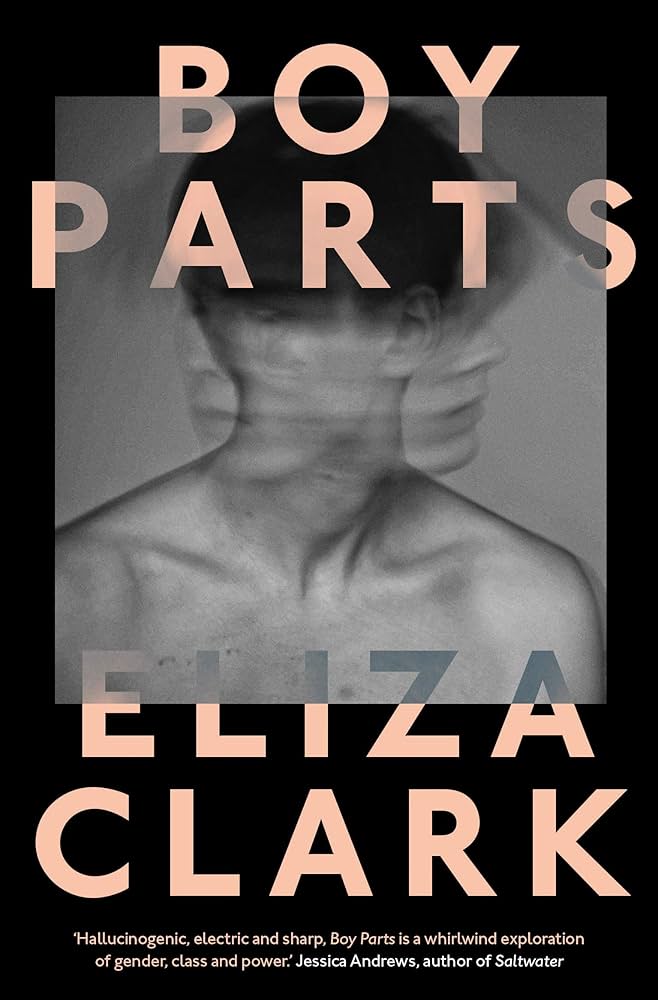
A prime example of transgressive contemporary literature, Boy Parts follows Irina, an unabashedly immoral and unlikable main character, as she slowly succumbs to her violent impulses and desires.
Irina is a photographer. Her specialty: photographing average-looking men in humiliating, submissive positions. But as her work begins to garner more fame, she struggles to contain her cravings for cruelty. Soon, her destructive inclinations come to the surface as she preys on all those around her, inflicting disturbing acts of violence on her friends, her subjects, and her love interests.
But what does that mean for a woman? How much violence will it take for her to be feared? For her to be deemed a threat? Because, despite all the harm she causes, she remains to be a woman, whose body remains to be used and seen as something submissive and benign.
I feel that the many people who compare this work to American Psycho are missing the point entirely. Equal parts amusing and horrific, this novel is a page-turner, a dark comedy. But, most significantly, this book is a commentary on the still rather rigid gender roles in society, especially pertaining to sex and sexuality. It is also an interesting examination of “the gaze” and its innate roots in objectification as seen through Irina’s camera.
3. Any Man by Amber Tamblyn (2018)
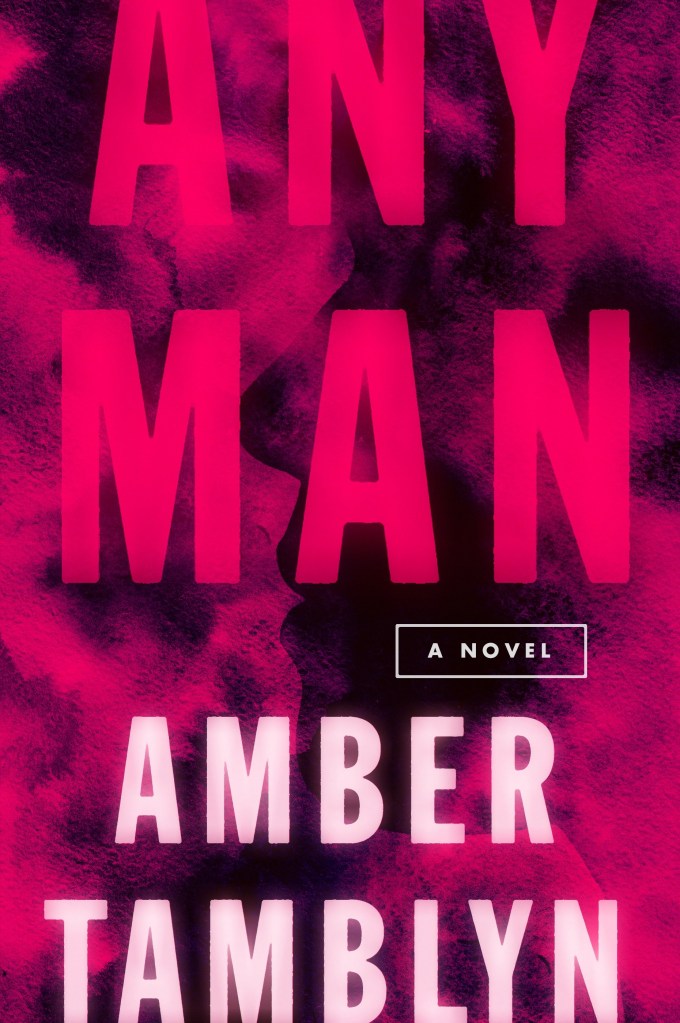
This disturbing yet socially-charged novel follows the various male victims of the sadistic female serial rapist known only as Maude.
Maude is shrouded in mystery. She is a faceless, ominous figure whose origins and identity remain unknown. She stalks the streets, the bars, the chat forums, the dating apps in search of any male victim. She is seen only through her victims’ eyes, and her persona is gradually pieced together through each horrific assault. But when news of a female serial rapist is made public, the world begins theorizing and even joking about the mysterious Maude, and her victims are forced to suffer their trauma with a spotlight shone on them.
As the world obsesses over Maude and tries to uncover her identity and her intentions, the reader, too, finds themselves reeling for answers. But will there ever be any answers that would satisfy their questions? That would give these victims closure? That would give the world closure? Or would the world simply mock any answer they were given? Any man who was the victim?
Any Man showcases how the media and the world can mishandle and make light of sexual violence and crime in general. This book also explores how male victims of sexual violence are often mocked and laughed at, especially when their aggressor is female. It is an insightful and disturbing read from author, activist, and actress Amber Tamblyn. The last chapter is especially haunting.
4. The Flowers of Evil by Shuzo Oshimi (2010)
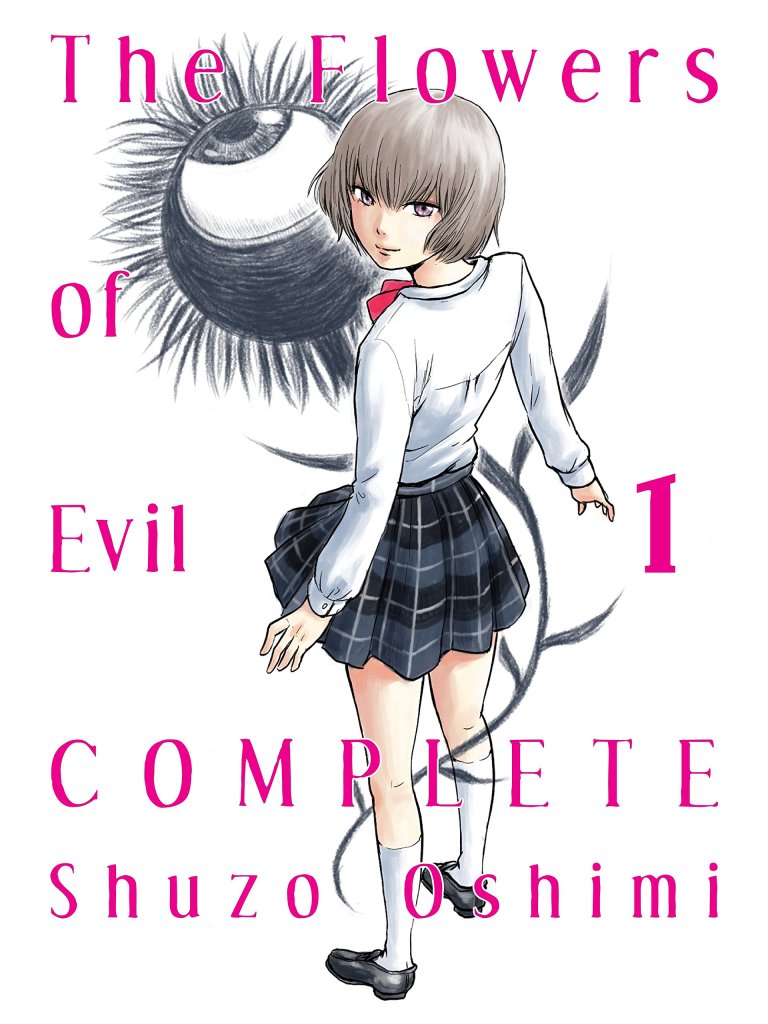
An unsettling Japanese manga about the depths of adolescent shame. After catching Kasuga stealing his crush’s gym clothes, Nakamura blackmails him into doing anything she wants. But as Kasuga struggles to keep up with Nakamura’s increasingly depraved and humiliating demands, he begins to become indoctrinated by Nakamura’s views of society and feelings of ostracization.
In reading this manga, one can easily look back on their own adolescence and remember the universal feelings of psychosexual shame as one comes to age. But this manga turns that naive shame into an endless nightmare that only continues to spiral out of control.
The Flowers of Evil was created by the maker of Blood on the Tracks, which is also on this list. This manga was later adapted into an anime series and a life-action movie, but I feel the original manga is the most raw and discomforting. It is upsetting to see the young Kasuga succumb to his own self-hatred and his warped self-image. The title comes from Baudelaire’s poem under the same name, encapsulating the manga’s themes of sexual shame and ostracization.
5. Blood on the Tracks by Shuzo Oshimi (2020)
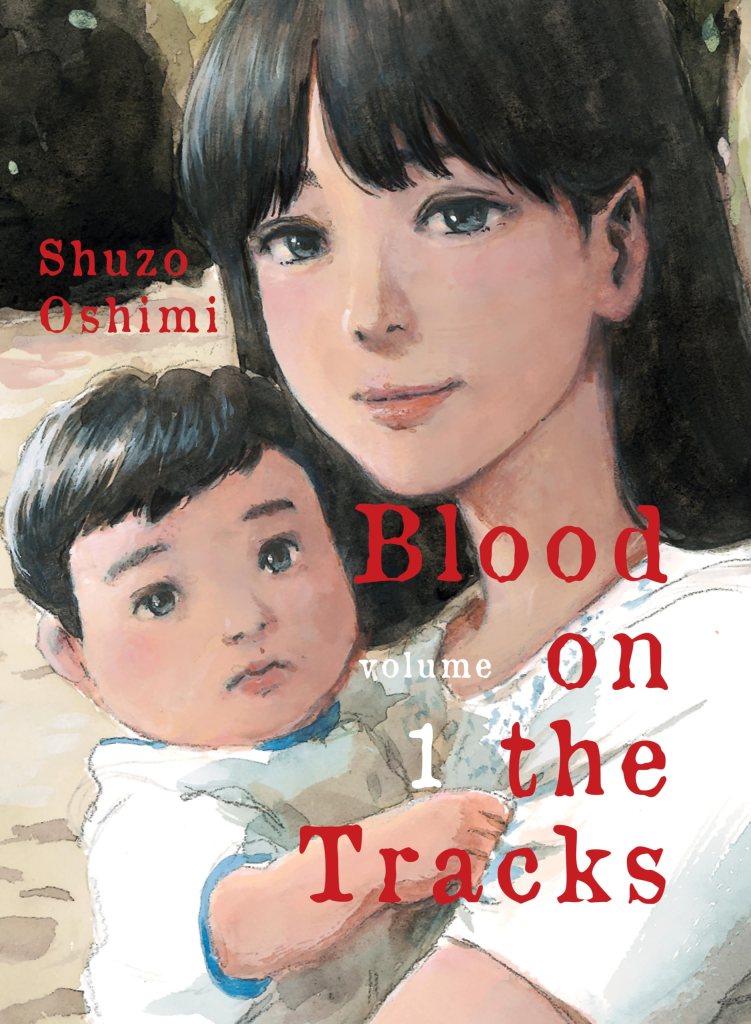
The more well-known manga of Shuzo Oshimi, Blood on the Tracks depicts a disturbing relationship between a mother and her son. At first glance, we see an overprotective mother. A timid, coddled son. But as the story unfolds, the audience bears witness to the truly manipulative, sinister nature of the mother, as well as the grooming, brainwashing, and abuse of her son.
Middle school student Seiichi is just coming of age. He struggles to navigate his own budding identity and sexuality while he is at the mercy of his possessive mother. Since the shocking first chapter, the mother consistently exploits and traumatizes her son, instilling in him a deep and lingering sense of guilt and shame in order to control him completely. In order to turn him against himself, his own judgement, his own friends, his own family, his own desires. In order to make him abandon himself and commit to her entirely. And throughout the story, the reader learns just how far the mother is willing to go to gain this level of control over her son.
Similar to The Flowers of Evil in its gut-wrenching spreads and themes of adolescent trauma and shame, Blood on the Tracks is a story that only grows more and more horrific as the reader observes the grooming of Seiichi and gradually uncovers the reason why the mother inflicts such abuse on her son in the first place.
6. My Sister, the Serial Killer by Oyinkan Braithwaite (2018)

A horror-comedy about two sisters: the beautiful Ayoola who develops a habit of killing off her boyfriends in so-called self-defense, and her sister Korede, the hard-working nurse with lingering resentment toward the attention her sister gets.
But despite her resentment, it is very apparent that our narrator Korede loves her sister and will do anything for her. Even if that means cleaning up Ayoola’s murder scenes and getting rid of the bodies. However, as the bodies begin to stack up, Korede can’t help but question Ayoola’s claims of self-defense. What follows is an internal warfare within Korede as she struggles to remain loyal to her sister, all while fighting to subdue her own growing resentment toward her as she watches Ayoola receive and take for granted all the love and attention Korede so desperately wants for herself.
Through the first-person narrative, the reader understands how much Korede longs for her own life and her own love. But can she achieve that when she’s constantly outshone by her sister? And when she’s always busy cleaning up Ayoola’s messes?
This book is an intriguing and entertaining exploration of sibling dynamics and familial loyalty from Nigerian author Oyinkan Braithwaite.
7. Tampa by Alissa Nutting (2013)
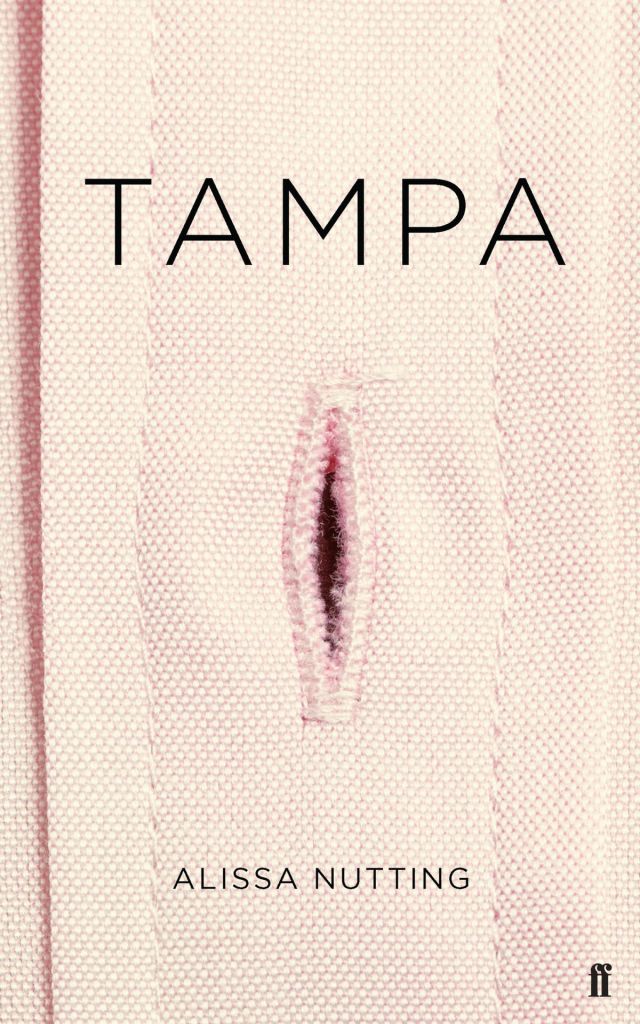
An extremely difficult read with a car-crash-you-can’t-look-away-from effect, this book is a work of pure transgression. Tampa follows Celeste, a female predator who becomes a middle school teacher in order to live out her fantasies of being in a sexual relationship with a preteen boy.
Celeste is conniving. She lives solely for her sexual fantasies. She spends her days hunting for the perfect victim and meticulously planning how to groom him. She devotes her entire life to her own sexual gratification, and shamelessly ruins others’ lives in order to do so.
This book is disturbingly explicit with a first-person narration from the predator herself. Being inside the mind of a pedophile and reading all her spiraling inner monologues fueled by her insatiable lust for young boys is hard to stomach. One can’t help but question why or how this book could ever be written. But that is arguably the point of the book: to showcase the unthinkable. The things people can’t even begin to imagine or understand. The things people don’t want to imagine or understand. To put the reader in the shoes of someone who they can’t possibly imagine or understand, but who undoubtedly exists in this world with them. Tampa is a bold and crude reminder of the disturbing parts of humanity hiding in plain sight. It is also a commentary on society’s trivialization of the female predator.
8. Misery by Stephen King (1987)
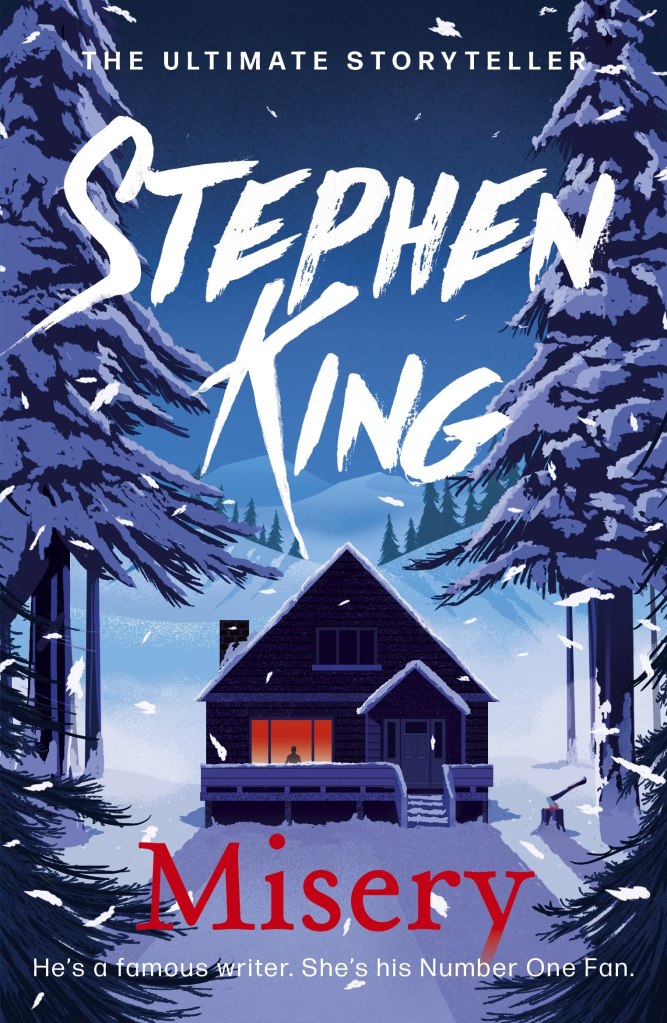
A list like this can’t not include Stephen King’s Misery. Widely considered to be the epitome of horror books with a female villain, Misery follows famous author Paul Sheldon who finds himself held captive by his biggest fan Annie Wilkes.
After a car crash during a snow storm leaves Paul seriously injured, Annie brings him back to her isolated house and vows to nurse him back to health. But Annie is not the kindhearted woman she appears to be. She is a mentally unstable, obsessed fan with a sinister past. Paul soon realizes he is a prisoner of Annie’s as she forces him to write a new book just for her and resorts to cruel acts of violence to get her way.
King’s classic tale is a chaotic descent into depravity. Vivid descriptions of seemingly endless psychological and physical torture lulls both Paul and the reader into a feeling of utter helplessness. All the while, Annie Wilkes is a fascinating and amusing villain, with strange mannerisms and vocabulary that all at once entertain and horrify the reader. Misery was adapted into an iconic film with Kathy Bates, but the book is even more gruesome.
9. Cute Aggression by Emily Lynn (2024)
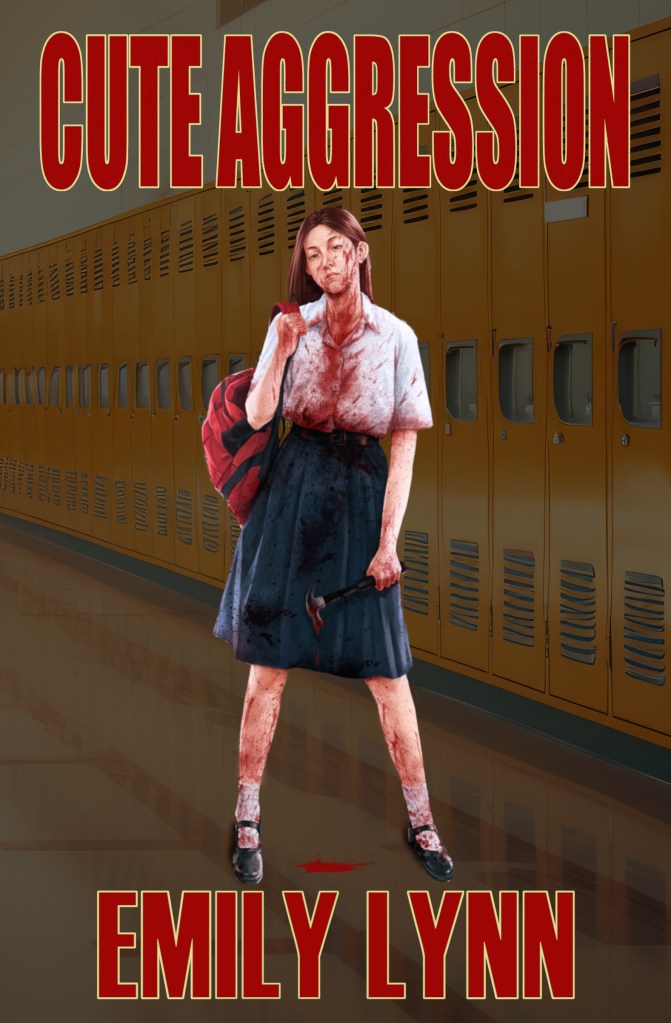
Written by yours truly! Cute Aggression is an extreme horror novella about a schoolgirl’s disturbing obsession with her teacher.
The nameless schoolgirl can’t stop thinking about her kind, young history teacher. But her fixation on him isn’t an ordinary teenage crush. She doesn’t want to be with him the way the other girls do. She wants to have him the way one wants a pet.
In a frantic attempt to fulfill her fantasies, she abducts Teacher and keeps him strung up in the attic apartment above the one she and her half deaf-mother live in. The excitement of finally acquiring him, however, is short-lived. The botched abduction has harmed Teacher, and as his days of captivity go by, he only continues to deteriorate. Her desperate attempts to fix him soon devolve into acts of cruelty as she finds herself confronted by what drove her to obsess over him in the first place.
Cute Aggression is a gruesome story about obsession, objectification, and parasocial relationships. It is also a subversion and exploration of gender in the horror genre.
 FEMHORROR
Leave a comment